


-
llámanos
+8619906035385 -
Envíanos un correo electrónico
ping@aotbattery.com
llámanos
+8619906035385Envíanos un correo electrónico
ping@aotbattery.com
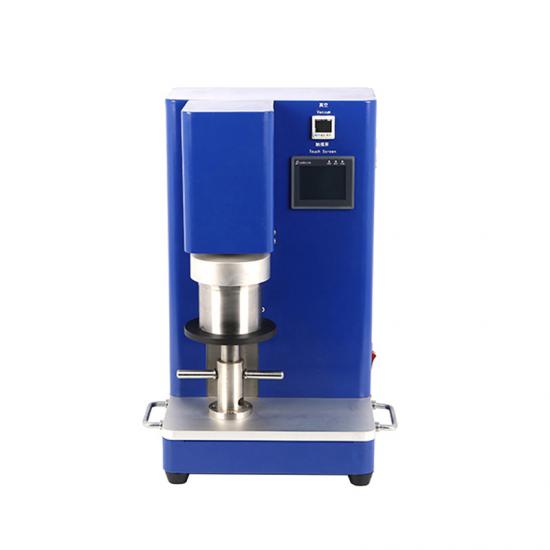
Escenario de producción de lodos de alta viscosidad: Una determinada empresa de energía de baterías produjo NCM811 Lodo de electrodo positivo (viscosidad 80.000 cP, contenido de sólidos 65%), utilizando un mezclador de doble planetario para operación continua durante 72 horas. La desviación de uniformidad del lodo se mantuvo estable en ±0,15%, y la vida útil final de la batería se incrementó en un 25%, muy por encima de la desviación de ±0,5% de los equipos mezcladores tradicionales de un solo eje.
Escenario de funcionamiento a baja temperatura: En el taller de invierno de la fábrica de materiales para baterías de litio, la temperatura desciende hasta los -12 °C. El mezclador planetario de vacío, equipado con una camisa calefactora y un módulo de control de temperatura del aceite, puede arrancar con normalidad sin necesidad de modificaciones adicionales. La repetibilidad de la mezcla por lotes alcanza el 98 %, solucionando así el problema del funcionamiento inestable de los equipos en las regiones áridas del noroeste.
Escenario de dispersión de nanomateriales: Una empresa de almacenamiento de energía procesó materiales de electrodos negativos de silicio-carbono (tamaño de partícula de 50 nm). Mediante el programa de aceleración gradual de la máquina de dispersión de alto cizallamiento (ajustado con precisión de 300 a 3000 rpm), evitando la destrucción de la estructura de la partícula, los aglomerados se desintegraron por completo. La uniformidad de la porosidad de la lámina de electrodo recubierta tras el recubrimiento con lechada aumentó en un 40 %.
2. Comparación en profundidad: diferentes tipos de licuadoras
Tipo de equipo
Rango de adaptación de la viscosidad
Fortalezas centrales
Escenarios de aplicación típicos
Limitaciones
Licuadora estándar
000 cP
Bajo costo y operación sencilla
El adhesivo se mezcló inicialmente con el disolvente y luego se reveló en el laboratorio.
La eficiencia de mezcla de materiales de alta viscosidad es baja y la uniformidad es deficiente.
Mezclador planetario
10.000-100.000 cP
Mezcla tridimensional sin ángulos muertos, compatible con desgasificación al vacío.
Producción a escala piloto, preparación de lodo de electrodo positivo LFP
La eficiencia de producción del modelo a gran escala es menor que la del modelo de doble planeta.
Mezclador de doble planeta
>100.000 cP
Fuerte fuerza de corte, alto contenido de sólidos, buena compatibilidad.
Producción de pastas para baterías de vehículos eléctricos, baterías de alta densidad energética NCM
El costo de la inversión en equipos es relativamente alto.
Las principales causas de daños en el eje de agitación se deben principalmente a tres factores: primero, la selección inadecuada del material. Si no se utiliza un revestimiento de tungsteno de carbono o Hastelloy al manipular polvos de alta dureza (como el fosfato de hierro y litio), es probable que el eje se desgaste. Se recomienda priorizar la elección de un eje de agitación con una dureza superficial ≥ HRC60; segundo, la carga de operación excesiva. Cuando la viscosidad de la pulpa excede repentinamente el rango nominal del equipo (por ejemplo, de 50 000 cP a 150 000 cP), no reducir la velocidad a tiempo provocará que el eje se tuerza. Es necesario instalar un sistema inteligente de protección contra sobrecargas (que se detiene automáticamente cuando el par supera el valor nominal en un 120 %); tercero, la falta de mantenimiento. La lubricación insuficiente de los rodamientos o el envejecimiento de los sellos permiten la filtración de material, acelerando la corrosión del eje. Se recomienda realizar un mantenimiento completo cada 500 horas de funcionamiento.
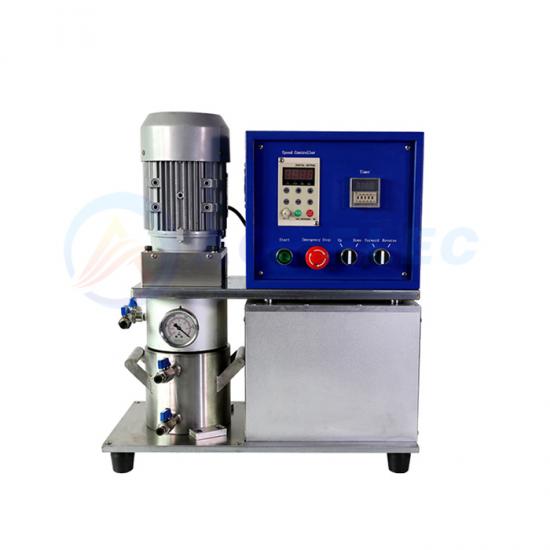
Las diferencias en las propiedades del material entre los dos sistemas de batería determinan la dirección de la selección del equipo: La suspensión del cátodo NCM tiene una alta viscosidad (60.000 - 100.000 cP) y requisitos extremadamente altos para la uniformidad de la dispersión (desviación ≤ 0,2%), por lo que se debe seleccionar un mezclador de doble planeta con control de velocidad de frecuencia variable (50 - 500 rpm) y función de desgasificación al vacío (grado de vacío ≤ -0,095 MPa) para evitar la aglomeración de la suspensión que afecta la densidad energética de la batería; La suspensión del cátodo LFP tiene un alto contenido de sólidos (65% - 70%) y poca fluidez. Se recomienda utilizar un mezclador planetario con un dispositivo de pared raspadora, con un espacio de raspado ≤ 0,5 mm, para evitar que el material se adhiera a la pared y provoque una mezcla desigual, y también estar equipado con un módulo de calentamiento (rango de control de temperatura 20 - 80 ℃) para acelerar la maduración de la lechada.
La clave para lograr el equilibrio reside en la adaptación precisa a los requisitos del proceso: en la etapa de prueba a pequeña escala (volumen de lote de 5-20 L), se puede seleccionar un mezclador planetario pequeño con una potencia de 3-5 kW, con un consumo de energía de aproximadamente 8-12 grados por lote, lo que permite la flexibilidad para la investigación y el desarrollo; en la etapa piloto (50-100 L), se recomienda un modelo planetario dual con control de frecuencia variable, con una potencia de 15-22 kW. Mediante la regulación gradual de la velocidad (mezcla a baja velocidad, dispersión a alta velocidad), el consumo de energía se controla a 25-35 grados por lote. En la etapa de producción en masa (200-500L), se sugiere un mezclador planetario doble grande impulsado por dos motores, con una potencia de 45-75kW, equipado con un sistema de recuperación de calor residual, que puede reducir el consumo de energía en un 10%-15%, y al mismo tiempo, a través de un diseño de alimentación continua, se puede aumentar la capacidad de producción, siendo capaz de procesar 300-500 kg de pulpa por hora.

tel/Whatsapp: +8619906035385


 IPv6 network supported
Scan to wechat: