High-Purity Lithium Oxide (Li2O) for Solid-State Battery Electrolytes
Dec 19,2025

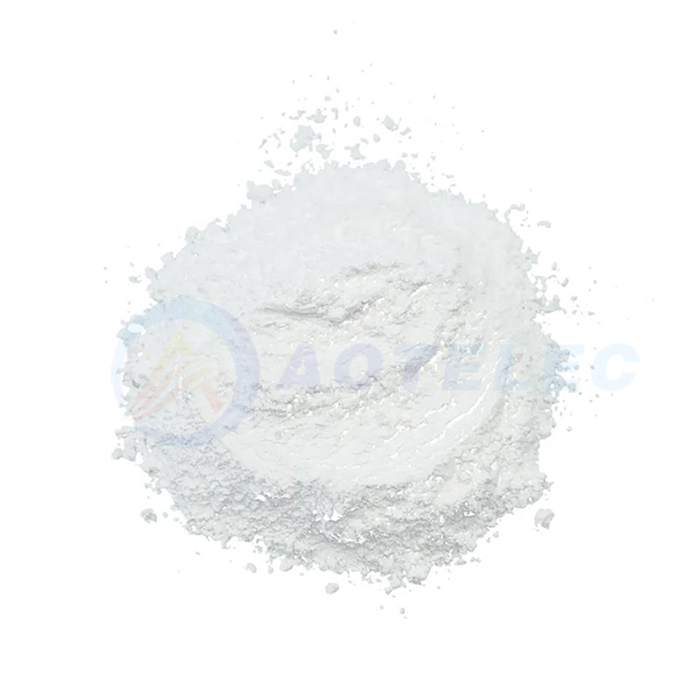
This is a battery grade high-purity chemical precursor. Lithium oxide (Li2O) is a white powder, mainly designed for synthesizing various lithium based solid electrolytes, and is one of the core materials for developing the next generation of solid-state batteries.

Lithium oxide (Li2O) is highly hygroscopic and quickly reacts with moisture in the air to form lithium hydroxide (LiOH). This not only reduces product purity, but also introduces hydrogen ions (H+) that may seriously interfere with the ion transport performance of solid electrolytes.


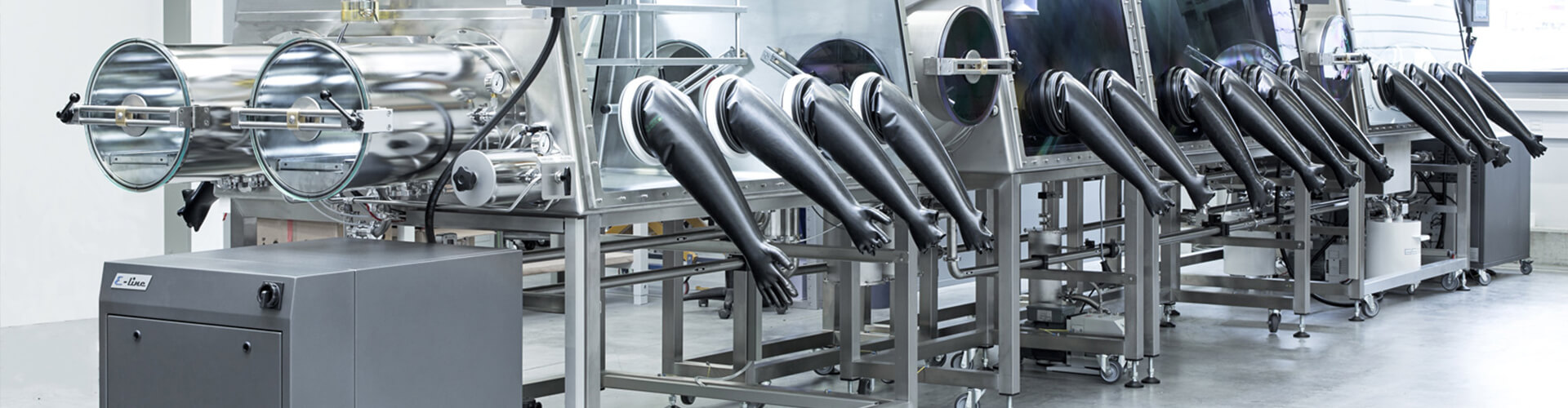
The characteristic of "anhydrous" is the key to ensuring its high activity and purity as a precursor for synthesis, which means that the production, packaging, and storage processes must be carried out in a strictly controlled inert atmosphere (such as argon).

Key parameters and specifications

This is a battery grade high-purity chemical precursor. Lithium oxide (Li2O) is a white powder, mainly designed for synthesizing various lithium based solid electrolytes, and is one of the core materials for developing the next generation of solid-state batteries. Lithium oxide (Li2O) is highly hygroscopic and quickly reacts with moisture in the air to form lithium hydroxide (LiOH). This not only reduces product purity, but also introduces hydrogen ions (H+) that may seriously interfere with the ion transport performance of solid electrolytes. The characteristic of "anhydrous" is the key to ensuring its high activity and purity as a precursor for synthesis, which means that the production, packaging, and storage processes must be carried out in a strictly controlled inert atmosphere (such as argon). Key parameters and specifications The core indicators of the product are as follows, which directly affect its performance in high-end battery research and development: Basic information: The chemical name is lithium oxide (Li2O), and the CAS number is 12057-24-8. Purity and particle size: Purity ≥ 99%, particle size range controlled within 60-100 micrometers (um). This particle size range facilitates uniform mixing and synthesis reactions in the laboratory or production. Key impurity control: The product specifically lists strict control standards for various metal impurities (such as Na, Fe, Cu, Ni, etc.), which is the key to ensuring the electrochemical stability and long life of the final electrolyte material. Main Application Description As stated on the page, this product plays an important role in the development of solid-state batteries: Core function: Used for synthesizing solid electrolytes, it can effectively improve the ion conductivity of electrolytes and promote the transfer of lithium ions between positive and negative electrodes. Application prospects: Li2O is directly related to the energy density, safety, and fast charging performance of solid-state batteries, and is one of the current research hotspots in the field of battery materials. It is a key lithium source for synthesizing sulfide solid electrolytes, garnet type oxide electrolytes, and novel halide electrolytes. Compared with directly using raw materials such as lithium carbonate, Lithium oxide (Li2O) has higher reaction activity, which helps to obtain purer and higher ionic conductivity final products. Procurement and Storage Information Packaging specifications: The product is packaged in a size of 100 grams per bottle, suitable for research and development as well as small-scale production. Storage conditions: The powder should be stored in a dry and ventilated place to avoid deterioration due to absorption of moisture and carbon dioxide from the air.

The core indicators of the product are as follows, which directly affect its performance in high-end battery research and development:

Basic information: The chemical name is lithium oxide (Li2O), and the CAS number is 12057-24-8.

Purity and particle size: Purity ≥ 99%, particle size range controlled within 60-100 micrometers (um). This particle size range facilitates uniform mixing and synthesis reactions in the laboratory or production.

Key impurity control: The product specifically lists strict control standards for various metal impurities (such as Na, Fe, Cu, Ni, etc.), which is the key to ensuring the electrochemical stability and long life of the final electrolyte material.

Main Application Description


As stated on the page, this product plays an important role in the development of solid-state batteries:

Core function: Used for synthesizing solid electrolytes, it can effectively improve the ion conductivity of electrolytes and promote the transfer of lithium ions between positive and negative electrodes.

Application prospects: Li2O is directly related to the energy density, safety, and fast charging performance of solid-state batteries, and is one of the current research hotspots in the field of battery materials. It is a key lithium source for synthesizing sulfide solid electrolytes, garnet type oxide electrolytes, and novel halide electrolytes. Compared with directly using raw materials such as lithium carbonate, Lithium oxide (Li2O) has higher reaction activity, which helps to obtain purer and higher ionic conductivity final products.

Procurement and Storage Information

This is a battery grade high-purity chemical precursor. Lithium oxide (Li2O) is a white powder, mainly designed for synthesizing various lithium based solid electrolytes, and is one of the core materials for developing the next generation of solid-state batteries. Lithium oxide (Li2O) is highly hygroscopic and quickly reacts with moisture in the air to form lithium hydroxide (LiOH). This not only reduces product purity, but also introduces hydrogen ions (H+) that may seriously interfere with the ion transport performance of solid electrolytes. The characteristic of "anhydrous" is the key to ensuring its high activity and purity as a precursor for synthesis, which means that the production, packaging, and storage processes must be carried out in a strictly controlled inert atmosphere (such as argon). Key parameters and specifications The core indicators of the product are as follows, which directly affect its performance in high-end battery research and development: Basic information: The chemical name is lithium oxide (Li2O), and the CAS number is 12057-24-8. Purity and particle size: Purity ≥ 99%, particle size range controlled within 60-100 micrometers (um). This particle size range facilitates uniform mixing and synthesis reactions in the laboratory or production. Key impurity control: The product specifically lists strict control standards for various metal impurities (such as Na, Fe, Cu, Ni, etc.), which is the key to ensuring the electrochemical stability and long life of the final electrolyte material. Main Application Description As stated on the page, this product plays an important role in the development of solid-state batteries: Core function: Used for synthesizing solid electrolytes, it can effectively improve the ion conductivity of electrolytes and promote the transfer of lithium ions between positive and negative electrodes. Application prospects: Li2O is directly related to the energy density, safety, and fast charging performance of solid-state batteries, and is one of the current research hotspots in the field of battery materials. It is a key lithium source for synthesizing sulfide solid electrolytes, garnet type oxide electrolytes, and novel halide electrolytes. Compared with directly using raw materials such as lithium carbonate, Lithium oxide (Li2O) has higher reaction activity, which helps to obtain purer and higher ionic conductivity final products. Procurement and Storage Information Packaging specifications: The product is packaged in a size of 100 grams per bottle, suitable for research and development as well as small-scale production. Storage conditions: The powder should be stored in a dry and ventilated place to avoid deterioration due to absorption of moisture and carbon dioxide from the air.

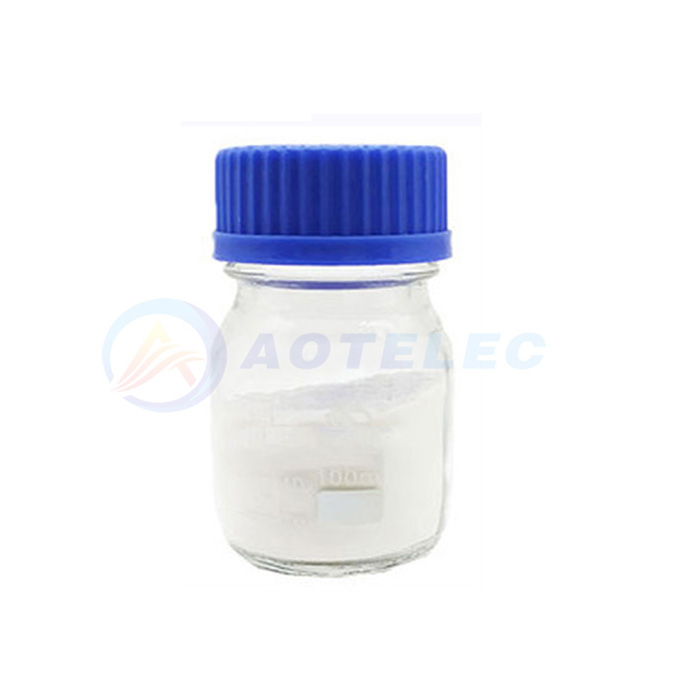
Packaging specifications: The product is packaged in a size of 100 grams per bottle, suitable for research and development as well as small-scale production.

Storage conditions: The powder should be stored in a dry and ventilated place to avoid deterioration due to absorption of moisture and carbon dioxide from the air.

solicite una cotización gratis
Si está interesado en nuestros productos y desea conocer más detalles, deje un mensaje aquí, le responderemos lo antes posible.
deja un mensaje
Bienvenido a aotelec
Si está interesado en nuestros productos y desea conocer más detalles, deje un mensaje aquí, le responderemos lo antes posible.

casa

productos

Noticias

contacto