


-
llámanos
+8619906035385 -
Envíanos un correo electrónico
ping@aotbattery.com
llámanos
+8619906035385Envíanos un correo electrónico
ping@aotbattery.com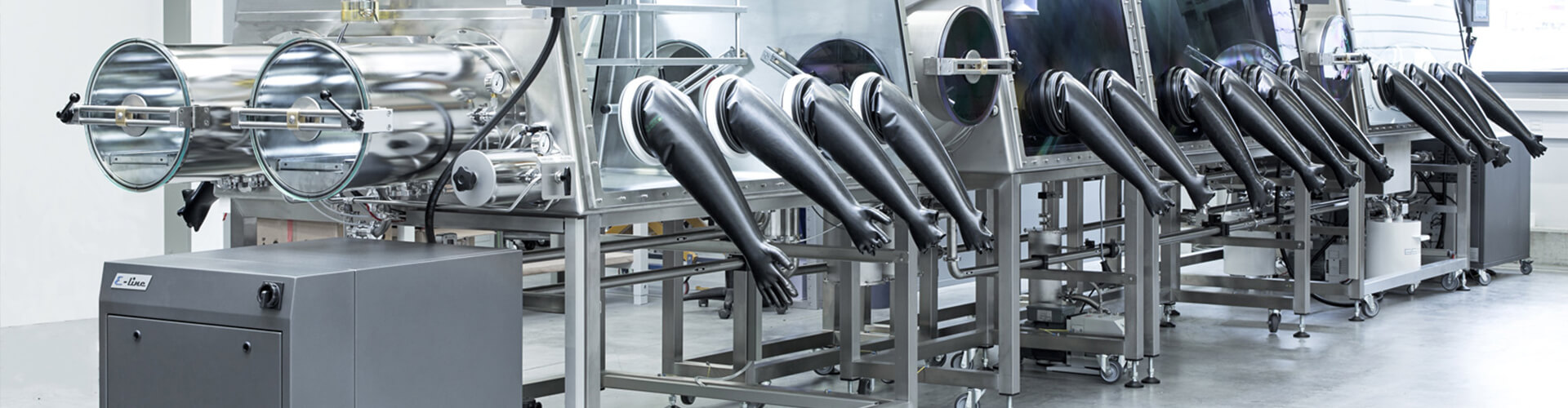
Sodium metal chips, commonly referred to in the industry as sodium metal sheets or sodium metal scrap, are a highly reactive alkali metal raw material. Thanks to their excellent ionic conductivity, they have become a core ingredient in next-generation sodium battery research, sodium metal anode experiments, and chemical reduction synthesis. Many buyers, when searching for suppliers of sodium metal chips, focus solely on purity specifications while overlooking critical details such as material morphology, surface oxidation control, and packaging and storage conditions—leading to issues including fluctuating experimental data, failed project testing, and export customs clearance obstacles.
1. Core Functions of Sodium Metal chips
Sodium metal chips are essentially high-purity metallic sodium processed into electrochemically active forms. Their primary role is to serve as a source of sodium, releasing sodium ions and fulfilling three key functions across different systems: acting as an anode active material, serving as a reducing agent, and providing raw material for alloy preparation.
(1) Anode Active Material for Sodium Metal Batteries (Core Role in Battery Applications)
In the development and testing of half-cells, coin cells, and pouch cells for sodium metal batteries, sodium metal chips act directly as the negative electrode and supply source of sodium ions. During charge-discharge cycles, the sodium undergoes redox reactions, shedding and reinserting sodium ions to complete the electrochemical circuit. This enables evaluation of compatibility between electrolytes, separators, and cathode materials, making it an essential foundational material for academic and industrial laboratories conducting fundamental research on sodium metal batteries.
(2) Reducing Agent in Aqueous-Free Chemical Reactions
In fine chemical organic synthesis, sodium metal chips serve as a strong reducing agent capable of participating in reduction and coupling reactions under anhydrous conditions, breaking chemical bonds in organic molecules to produce various organic intermediates. The thin flake form allows controlled reaction rates; compared to sodium powder, it significantly reduces the risk of sudden combustion during reactions, making it widely used in small- and medium-scale trials for new materials and pharmaceutical intermediates.
(3) Raw Material for Sodium-Based Alloy Melting and Preparation
As a component in alloy production, sodium metal chips are melted together with metals such as aluminum and tin to prepare sodium alloys. The thin flake form ensures faster melting and more uniform mixing, minimizing sodium loss due to high-temperature volatilization. This makes them ideal for developing functional sodium-based alloys, sodium vapor light sources, and specialty metal materials.
(4) Reference Electrode Material for Electrochemical Calibration and Material Characterization
In electrochemical testing systems, sodium metal chips can be fabricated into sodium reference electrodes to calibrate potential in sodium-based battery systems. They enable precise measurement of electrolyte windows and electrode polarization data, providing a stable potential reference for accurate material performance characterization.
2. Key Application Scenarios of Sodium Metal chips
In the assembly of sodium metal battery half-cells, when preparing coin cells inside a laboratory glove box, sodium metal Chips must be cut into circular anode sheets with a diameter of 12 mm. If the chips are uneven in thickness or have excessive surface oxidation, cutting may result in chipping or surface powdering, directly increasing internal cell resistance and drastically reducing cycle life. Our sodium metal chips are processed under argon-protected, sealed cutting procedures, with surface oxidation controlled at the micrometer level. Even after continuous operation for 24 hours within a glove box with water and oxygen levels below 0.1 ppm, the chips retain their bright metallic silver appearance without rapid whitening or oxidation. The edges remain clean and smooth, with no debris detachment, ensuring stable and reproducible battery cycling test data.
In organic chemical reduction reactions, fine chemical laboratories use sodium metal chips as reducing agents in anhydrous organic synthesis. Bulk sodium has slow melting rates and risks of localized exothermic spikes, while sodium powder poses significant storage hazards due to its high reactivity. Our sodium metalchips, with a thickness of 0.2–0.5 mm and moderate specific surface area, melt uniformly and steadily upon introduction into anhydrous solvents, enabling controlled and gradual heat release. This prevents localized violent boiling, making them ideal for small- and medium-scale reduction reactions.
Beyond battery development and chemical synthesis, sodium metal chips are also used in the fabrication of sodium vapor light sources, metal alloy melting, and material characterization calibration experiments. In alloy melting experiments, mixing and melting sodium metal sheets with other metallic substrates reduces the wetting time due to their thin sheet structure, minimizes sodium element loss caused by prolonged high-temperature melting, and improves the homogeneity of the final alloy composition.
3. Comparative Analysis of Sodium Materials: How to Choose Between Sodium Sheets, Blocks, and Powder
When purchasing overseas, customers often struggle with choosing between sodium sheets, blocks, or powder. Clearly understanding the differences among these three forms helps customers make quick and informed decisions, while also demonstrating a supplier’s professional expertise and objectivity.
(1) Sodium Sheets
Advantages: Controllable thickness and easy to cut; moderate specific surface area with lower oxidation rate than sodium powder; safe feeding operation with stable exothermic reaction; suitable for anode preparation in batteries and small-to-medium-scale chemical reactions.
Disadvantages: Not ideal for fast synthesis requiring extremely high reaction rates; large-area thin sheets may slowly oxidize at edges over long-term storage, requiring strict sealing.
Recommended for: Sodium battery R&D laboratories, university materials research institutes, and small-to-medium-scale pilot chemical projects.
(2) Sodium Blocks
Advantages: Slowest oxidation rate per unit volume, longest storage life, relatively low unit price; ideal for large-scale melting processes.
Disadvantages: Hard texture makes cutting difficult and generates sharp fragments during processing; large blocks take longer to melt, and localized overheating is common, making them unsuitable for preparing small samples such as coin cells.
Recommended for: Large-scale alloy smelters and customers requiring bulk sodium raw material reserves.
(3) Sodium Powder
Advantages: Highest specific surface area, fastest reaction rate, and strong instantaneous reactivity.
Disadvantages: Extremely high oxidation risk—can spontaneously ignite upon contact with trace moisture or oxygen; subject to strict storage and transportation regulations, making long-distance export challenging; short shelf life; agglomeration issues can affect consistency in battery testing.
Recommended for: Specialized rapid-reaction applications; rarely used in conventional sodium battery development.
4.FAQ
(1) Why does a sodium metal sheet develop a white surface after storage for some time, and can it still be used in battery experiments?
Sodium is a highly reactive alkali metal that reacts with trace amounts of oxygen or moisture to form sodium oxide and sodium hydroxide, resulting in a white powdery layer on the surface. If only a very thin white layer forms, the outer oxidized portion can be carefully scraped off inside a glove box, provided the underlying metallic core remains intact; this may allow limited use in certain chemical reactions. However, it is not recommended for preparing negative electrodes in sodium batteries. The oxide layer increases interfacial resistance, leading to drift in battery test data and reduced cycling stability. To minimize oxidation, the product must remain sealed under argon throughout storage, kept in a cool, dry environment at temperatures below 25°C, away from direct sunlight. All opening operations should be performed within a glove box with extremely low water and oxygen content.
(2) What are the common purity grades of sodium metal sheets, and how significantly do different purities affect sodium battery experiments?
Common commercial purity levels include 99.5%, 99.9%, and 99.95%. The 99.5% industrial-grade material is typically used for alloy melting and general chemical reactions but contains higher impurities—iron and calcium, for example, which can trigger side reactions—making it unsuitable for electrochemical battery research. The 99.9% (3N) grade is the most widely used in sodium battery laboratories, with impurity levels sufficient for most half-cell development. The 99.95% (3N5) ultra-high-purity sodium sheets are intended for advanced fundamental research, offering extremely low impurity levels ideal for mechanistic studies and high-precision electrochemical characterization. When purchasing, total purity alone should not be the sole criterion—oxygen content is critical. Even with high overall purity, excessive oxygen content can severely degrade battery performance.
(3) Is there a risk of spontaneous combustion during transportation of sodium metal sheets?
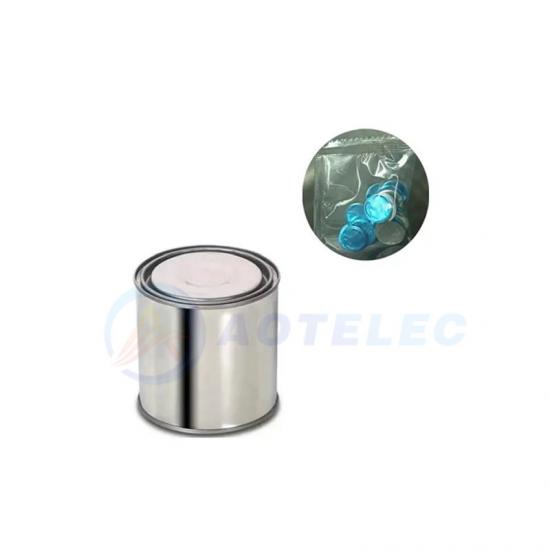
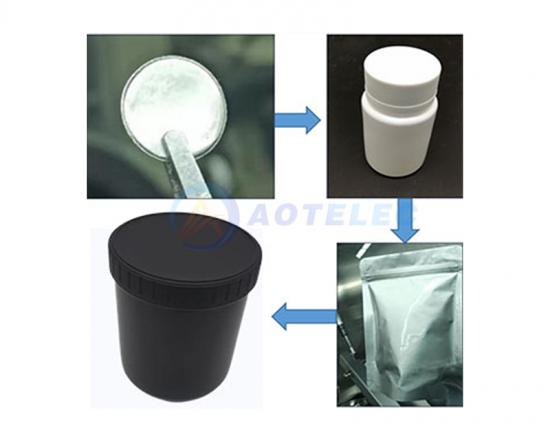
The risk is manageable under proper packaging. Qualified products are immersed in protective mineral oil to isolate them from air and moisture, then vacuum-sealed in aluminum foil and placed into hazardous materials metal drums. The main risk arises from package damage—if the protective oil leaks and sodium is exposed to air, it will react violently with moisture and ignite. Therefore, physical compression or puncturing of the packaging must be strictly avoided during transport, and the goods must never be stored together with water or acidic substances. Before shipment, we conduct drop and compression tests to ensure packaging integrity during long-distance sea freight.
As a key raw material for sodium-metal batteries and fine chemical applications, selecting sodium metal sheets requires more than just comparing prices—it involves matching the material to specific application needs by carefully controlling four key factors: purity, oxygen content, surface condition, and packaging safety. For battery R&D, prioritize high-purity (3N/3N5), low-oxygen-content sodium metal foils. For small-scale chemical synthesis trials, select appropriate thickness based on reaction heat requirements. For large-scale alloy melting, sodium ingots are more suitable. Additionally, when procuring internationally, confirm export documentation for hazardous chemicals and secure dedicated cargo space for dangerous goods shipping to avoid customs delays. During the selection phase, consider the differences between sodium sheets, ingots, and powders in relation to your experimental or production needs, and cross-reference batch test data provided by suppliers to ensure you choose the right sodium material—minimizing experimental rework and reducing project development costs

tel/Whatsapp: +8619906035385


 IPv6 network supported
Scan to wechat: