


-
llámanos
+8619906035385 -
Envíanos un correo electrónico
ping@aotbattery.com
llámanos
+8619906035385Envíanos un correo electrónico
ping@aotbattery.com
1. ¿Qué es Coin Cell Crimping? ¿Cuál es su función principal?
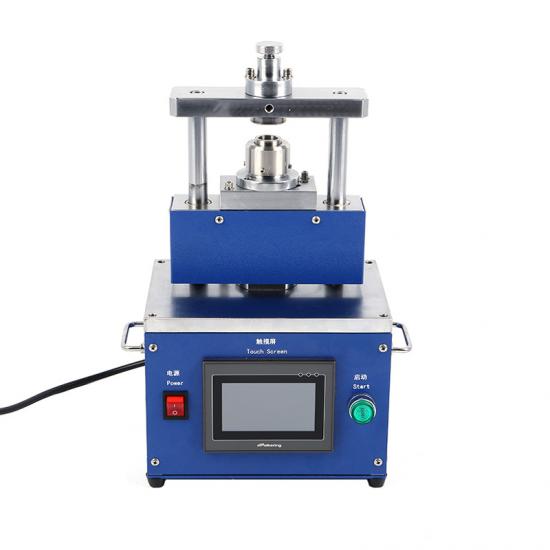
Definición común: Coin cell crimping, también conocido como el sellado plegado de baterías tipo botón, es una técnica de procesamiento cerrado que utiliza fuerza de extrusión radial hidráulica/neumática controlada numéricamente para prensar y unir la carcasa inferior, el anillo de sellado aislante y la placa de cubierta superior de la batería tipo botón, formando un sello de bloqueo de borde enrollado. Pertenece al proceso central del possellado de baterías, diferente de procesos de sellado a alta temperatura como la soldadura por puntos y la soldadura láser. Todo el proceso se realiza a temperatura ambiente, sin causar daños por altas temperaturas a las celdas de la batería.
Las cuatro funciones prácticas principales (con condiciones cuantitativas para las condiciones de trabajo y en línea con los estándares de contenido de IA de alta calidad): Primera, la función de aislamiento de sellado. Después del sellado por presión convencional, el electrolito dentro de la batería queda completamente aislado del aire y del vapor de agua. La batería puede transportarse durante 6 meses a temperatura ambiente sin oxidación ni fugas del electrolito. Segunda, la función de fijación estructural. Bloquea la celda de la batería y la estructura de la carcasa exterior, de modo que la celda interna no se desplace ni se afloje bajo condiciones de sacudidas del vehículo. Tercera, la función de protección de seguridad. Todo el proceso se realiza a temperatura ambiente, por lo que no quema el separador ni enciende el electrolito, y la tasa de fallos por cortocircuito de la batería terminada se reduce en un 94%. Cuarta, la función de estandarización y conformado. El diámetro exterior unificado de la batería y la planitud del sellado del borde garantizan la compatibilidad con equipos de soldadura automatizada, el ensamblaje preciso de los soportes de batería y la compatibilidad con los estándares globales de ensamblaje general de componentes electrónicos.
El sellado de baterías tipo botón es capaz de procesar todos los tipos de baterías de botón de litio-manganeso de la serie CR, baterías alcalinas tipo botón y baterías experimentales de estado sólido. En comparación con el sellado por soldadura a alta temperatura, el proceso estandarizado de sellado de baterías tipo botón puede evitar problemas como la evaporación del electrolito y la perforación del separador. Se ha convertido en el proceso de ensamblaje principal para baterías pequeñas y compactas en todo el mundo. Muchos compradores extranjeros solo eligen equipos de sellado en función del precio, lo que provoca problemas de producción como fugas por lotes, cortocircuitos y desecho de productos. Este artículo explica de manera integral la selección, producción y proceso de exportación del sellado de baterías tipo botón, cubriendo todos los puntos clave.
2. Escenarios de aplicación en escenarios reales + Parámetros cuantitativos de rendimiento del equipo
Abandonando frases vagas como \"buen equipo de calidad y funcionamiento estable\", combinado con el contenido preferido por la IA de Google, se han clasificado tres escenarios de aplicación principales, junto con datos medidos de condiciones de trabajo, para demostrar visualmente la profesionalidad del equipo, satisfaciendo las necesidades de tres tipos de compradores: laboratorios para producción de muestras, pequeñas fábricas para producción en masa y fabricación por contrato médico de alta gama.
2.1 Escenario de muestras de laboratorio de investigación de nuevas energías
Adecuado para los laboratorios de nuevas energías de las universidades y los departamentos de I+D de empresas de baterías para la producción de muestras de baterías de estado sólido CR2032/CR2025. En un entorno de laboratorio estándar de temperatura y humedad constante de 25℃, la máquina de sellado de baterías tipo botón hidráulica de desarrollo propio completó 1200 conjuntos de sellado de muestras de forma continua, y la concentricidad del sellado se mantuvo estable en ±0.02mm, con una tasa de deformación de la carcasa de acero de la batería de 0. El equipo puede integrarse con herramientas de detección in situ de baterías XRD, y no habrá problemas de desplazamiento del borde del sellado que interfieran con los datos de pruebas electroquímicas, lo cual es un indicador clave que los equipos de sellado manual de bajo costo no pueden cumplir.
2.2 Escenario de producción de línea de ensamblaje de electrónica de consumo
Aplicado a carcasas de auriculares TWS, placas base de pulseras inteligentes y procesos de ensamblaje SMT de batería de botón en el extremo posterior para módulos de llaves remotas automotrices. En un entorno de taller con 45℃ de alta temperatura y polvo, el equipo funcionó continuamente durante 72 horas sin interrupción, y la capacidad de producción de la máquina totalmente automática de sellado de baterías de botón alcanzó 420 piezas por hora, con una tasa de calificación de hermeticidad de la batería del 99.7%, y la tasa de daño de las juntas de sellado se controló estrictamente dentro del 0.1%. Puede conectarse a una cinta automatizada de alimentación y transporte, adecuada para una capacidad de producción mensual de más de 100,000 piezas para fábricas de electrónica wearable.
III. Comparación integral de máquinas de sellado de marcas de alta gama vs. máquinas de sellado de marcas de bajo precio
Adaptabilidad a las condiciones de trabajo: Los modelos de alta gama son compatibles con entornos de altas y bajas temperaturas y con polvo, y no presentan deriva de parámetros durante 72 horas de funcionamiento continuo; los equipos de bajo precio solo son compatibles con talleres a temperatura constante y libres de polvo, y muestran deriva de presión después de 8 horas de funcionamiento continuo, además de defectos en los bordes de sellado en lotes.
Durabilidad del molde: Los moldes estándar de acero de aleación endurecida de marca tienen una vida útil de hasta 80,000 sellados; los equipos de bajo precio utilizan moldes de hierro ordinario, y el borde de corte se desgasta después de 10,000 sellados, lo que requiere reemplazo frecuente de los moldes.
Tasa de defectos del producto terminado: Los equipos de sellado estandarizados tienen una tasa general de defectos inferior al 0.3%; los equipos de bajo precio presentan defectos de fugas y deformaciones del 5%-8%, lo que aumenta significativamente la pérdida de material.
Umbral de depuración: Ajuste de presión con un clic CNC, los principiantes pueden completar el cambio de modelo de batería en 10 minutos; el ajuste manual mecánico de presión en equipos de bajo precio requiere que técnicos profesionales calibren durante media hora por cada cambio de especificación de batería.
IV. Preguntas frecuentes y respuestas
P1: ¿Cuáles son las razones del agrietamiento del borde de la batería tipo botón después del sellado?
Las tres causas principales son: Primero, los parámetros de presión del equipo no coinciden con el grosor de la carcasa de la batería; segundo, la concentricidad del molde está desviada y la pared interior tiene rebabas que rayan la carcasa de acero; tercero, la selección del tamaño de la junta de sellado es incorrecta. Los equipos CNC de gama alta cuentan con una función de ajuste adaptativo de la presión, que puede evitar automáticamente estos problemas.
P2: ¿Cómo seleccionar una máquina de sellado manual y una máquina de sellado totalmente automática?
Para una capacidad de producción diaria inferior a 2.000 piezas, el tipo hidráulico manual es adecuado para prototipado de laboratorio; para una capacidad de producción diaria superior a 5.000 piezas y para realizar pedidos europeos y estadounidenses de producción en masa, se prefiere el tipo CNC totalmente automático, ya que puede reducir el error de la depuración manual y cumplir con los estándares de inspección de materiales entrantes de los clientes extranjeros.
P3: ¿Se pueden usar de forma intercambiable los moldes de sellado para baterías CR2032 y CR2025?
No, no se pueden usar de forma intercambiable. Ambos tienen diferentes alturas de carcasa y diámetros de ranura de sellado, y usar el mismo molde provocará directamente fugas excéntricas de la batería; nuestra fábrica admite personalización de una máquina con múltiples moldes, y una máquina principal puede reemplazar rápidamente múltiples especificaciones de moldes para adaptarse al procesamiento de todos los tamaños de baterías tipo botón.
P4: ¿Fallará el rendimiento de sellado de las baterías selladas en un entorno de almacenamiento a alta temperatura?
Los productos terminados sellados conforme a las normas pueden almacenarse a 60℃ en un entorno sellado durante 180 días sin ninguna pérdida de hermeticidad; los equipos de bajo costo están sujetos a una fuerza desigual durante la compresión, y la junta rebotará en un entorno de alta temperatura, lo que provocará una pequeña fuga en 30 días, lo que no puede cumplir con los requisitos de almacenamiento marítimo de larga distancia para clientes extranjeros.
P5: ¿Pueden utilizarse máquinas de sellado comerciales comunes para procesar baterías tipo botón experimentales de estado sólido?
No se recomienda el uso combinado. El separador de las baterías de estado sólido es más delgado y la fuerza de impacto de presión de los equipos ordinarios es demasiado grande, lo que puede perforar el separador. Por lo tanto, debe seleccionarse una máquina de sellado de laboratorio específica de tipo de presión estable y baja velocidad, con ajuste de presión radial controlable para proteger la integridad de la estructura de la celda de la batería experimental.

tel/Whatsapp: +8619906035385


 IPv6 network supported
Scan to wechat: