

-
llámanos
+8619906035385 -
Envíanos un correo electrónico
ping@aotbattery.com
llámanos
+8619906035385Envíanos un correo electrónico
ping@aotbattery.com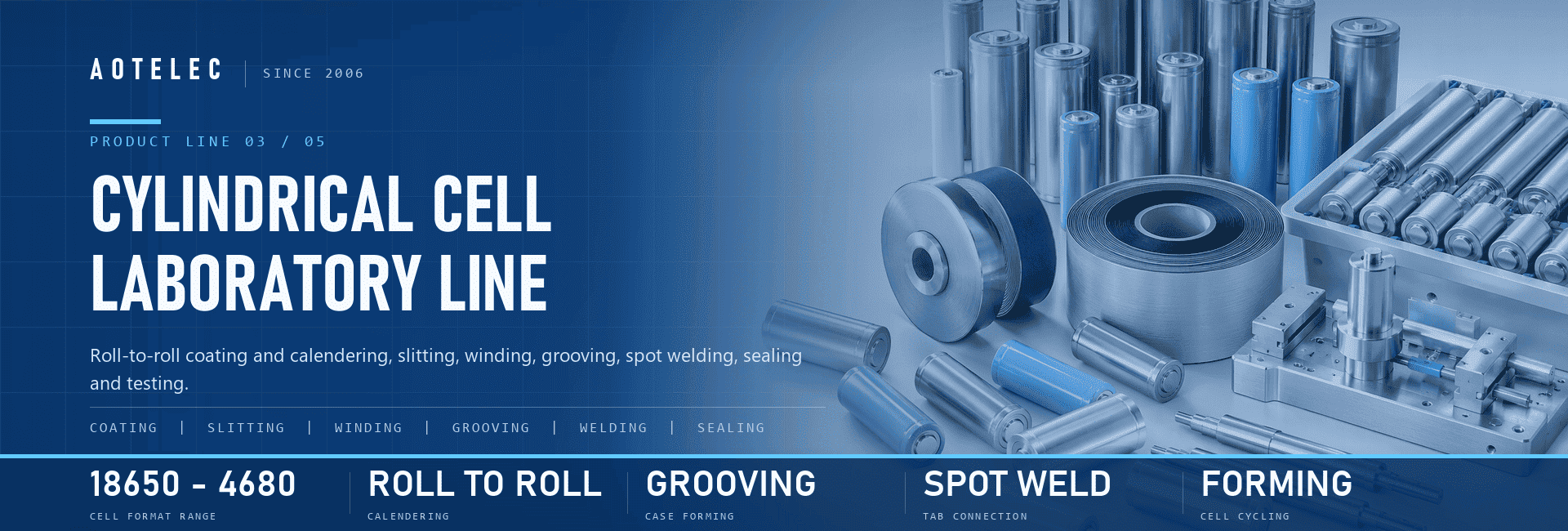
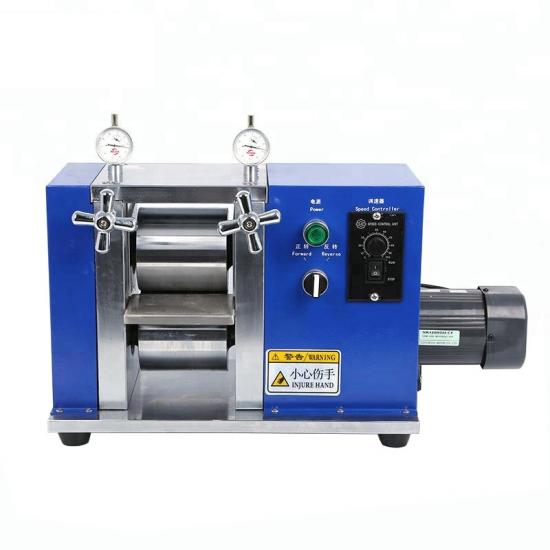
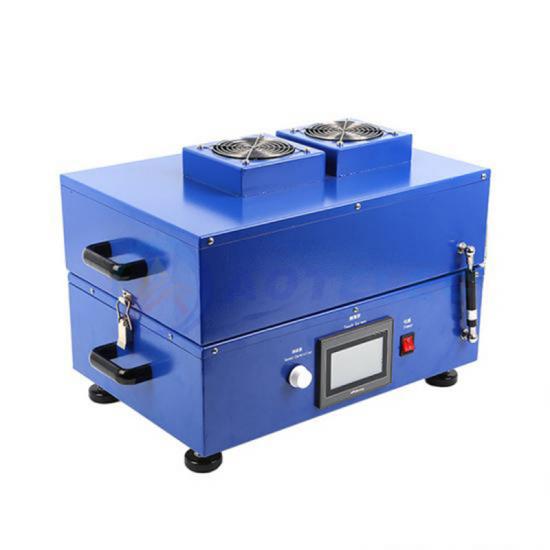
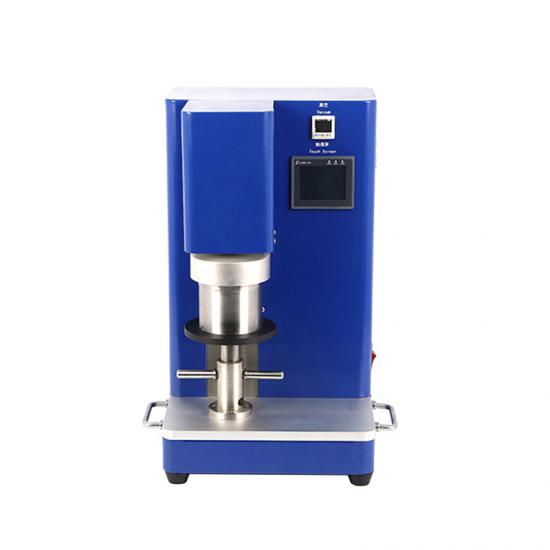
Una de las funciones principales de los equipos de fabricación de baterías de litio es aumentar significativamente la eficiencia de producción, reduciendo al mismo tiempo el consumo energético y los costos. En el proceso de pulpa, además del equipo de pulpa por cavitación ultrasónica desarrollado por Zhongke Leishun (que triplica la capacidad de producción y reduce el consumo energético en un 78%), también se utilizan dispersores de alta velocidad y mezcladores de doble planeta, que pueden mezclar rápidamente los materiales del electrodo positivo (óxido de litio y cobalto, fosfato de litio y hierro). materiales de ánodo (grafito, a base de silicio), aglutinantes y disolventes de manera uniforme, evitando la aglomeración que podría afectar los procesos posteriores. Cada unidad puede procesar decenas de toneladas de lodo por hora. En el proceso de secado, además del equipo de secado por infrarrojos plano desarrollado por Leiso New Materials (que reduce el consumo de energía en un 50 % y encoge el horno en un 30 %), también se utilizan ampliamente máquinas de liofilización al vacío y hornos de circulación de aire caliente, que pueden eliminar con precisión la humedad de la lámina actual y las celdas de la batería, lo que garantiza un rendimiento estable de la batería. En el proceso de fabricación de láminas, las máquinas de recubrimiento de alta precisión pueden recubrir uniformemente la lechada sobre láminas de cobre y aluminio, con una velocidad de recubrimiento de más de 100 metros por minuto, que es 2 veces más eficiente que los equipos tradicionales; la prensa de rodillos puede comprimir la lámina al espesor especificado, lo que garantiza una densidad de energía uniforme, y cada unidad Puede procesar decenas de miles de metros de láminas al día. Estos dispositivos permiten simultáneamente alta producción, ahorro de energía y ahorro de espacio, lo que ayuda a las empresas a obtener una ventaja competitiva en el mercado.
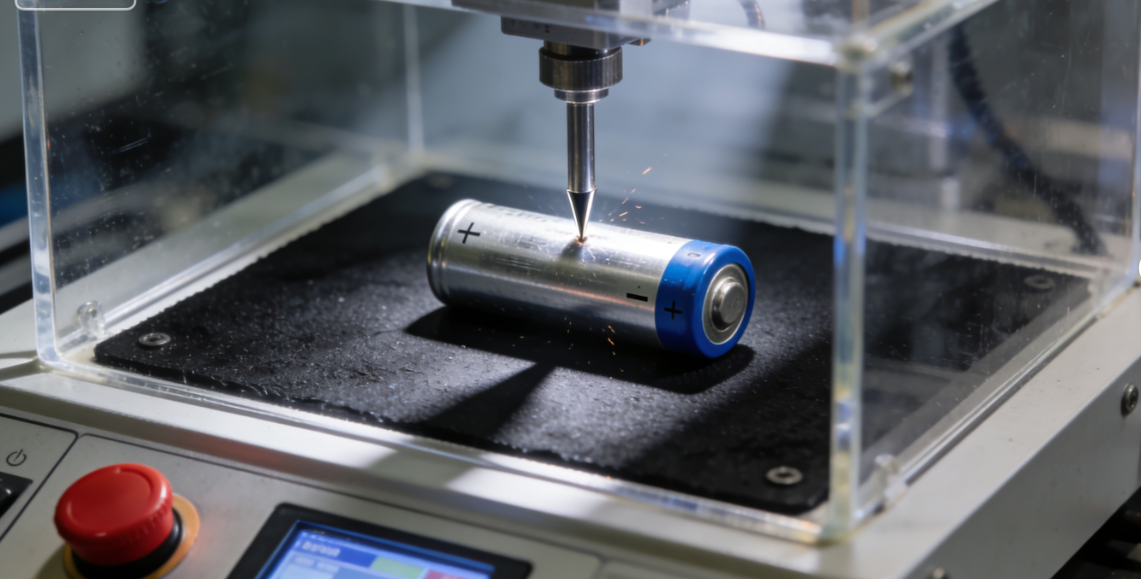
La calidad de las baterías de litio afecta directamente la seguridad y la vida útil durante su uso, y el equipo de fabricación es clave para el control de calidad. En el proceso de soldadura, Jieopt... equipo de soldadura láser (Con una precisión de 20 micrómetros) permite soldar pestañas y carcasas de celdas, detectando la profundidad de fusión en tiempo real para evitar soldaduras falsas. También cuenta con una máquina de soldadura ultrasónica, adecuada para la soldadura a baja temperatura de láminas de electrodos y pestañas, lo que reduce los daños materiales. Durante la inspección, el equipo de inspección visual con IA de Guoyuan identifica automáticamente defectos como rebabas, arañazos y falta de recubrimiento en las láminas de electrodos, con una precisión del 99,9 %. La máquina de inspección por rayos X penetra en la celda para comprobar la alineación de las láminas internas de los electrodos y la calidad de la soldadura, evitando riesgos de seguridad causados por defectos internos. Durante el ensamblaje, la bobinadora y la laminadora totalmente automáticas enrollan o laminan con precisión las láminas de los electrodos positivo y negativo, y el separador, con un control de error micrométrico, lo que garantiza la regularidad de la estructura de la celda. La máquina de inyección inyecta el electrolito cuantitativamente, evitando una inyección excesiva o insuficiente que afecte la vida útil de la batería. Estos dispositivos son como "inspectores de calidad precisos" que hacen que las baterías producidas sean más estables y confiables.

tel/Whatsapp: +8619906035385


 IPv6 network supported
Scan to wechat: