


-
llámanos
+8619906035385 -
Envíanos un correo electrónico
ping@aotbattery.com
llámanos
+8619906035385Envíanos un correo electrónico
ping@aotbattery.com
En el corazón de cada batería de iones de litio se encuentra un componente que rara vez aparece en los titulares, pero que determina si un dispositivo se enciende de forma segura o corre el riesgo de sufrir un fallo catastrófico. La separador de batería, una película aislante microporosa situada entre el ánodo y el cátodo, realiza la tarea aparentemente sencilla de prevenir cortocircuitos eléctricos mientras permite el transporte de iones de litio. Sin embargo, a medida que los formatos de batería se diversifican en distintas aplicaciones —desde audífonos hasta vehículos eléctricos— el papel del separador cambia drásticamente. Así es como funciona este componente crítico en celdas de botón, cilíndricas y tipo bolsa.
Celdas de botón: precisión en miniatura
Celdas de botón (también conocidas como celdas tipo botón) alimentan relojes, llaveros, implantes médicos y sirven como la base del trabajo de investigación de laboratorio. En estas pequeñas baterías con forma de disco, los separadores normalmente se perforan en discos circulares y se laminan entre electrodos en forma de pastilla.
El separador en una celda de botón debe equilibrar demandas contrapuestas en un espacio extremadamente reducido. El grosor afecta directamente la densidad energética: los separadores más delgados permiten más material activo, pero aumentan el riesgo de cortocircuito. La porosidad y la estructura de los poros determinan la conductividad iónica y la capacidad de carga a alta velocidad. Las investigaciones han demostrado que los separadores compuestos avanzados permiten que las celdas de botón logren un rendimiento estable de ciclos y buenas capacidades de carga a temperatura ambiente. En un estudio, los separadores de nanofibras electrohiladas de PVDF/SiO₂ alcanzaron porosidades del 67 % y permitieron que las celdas de botón entregaran capacidades de carga de 2,36 mAh/g.
Para aplicaciones de laboratorio, las celdas de botón son la plataforma preferida para evaluar nuevos materiales separadores y químicas de electrodos antes de ampliar la producción a formatos más grandes. El rendimiento del separador en este formato sirve como el primer indicador de su viabilidad comercial.
Celdas cilíndricas: exigencias mecánicas del rollo de gelatina
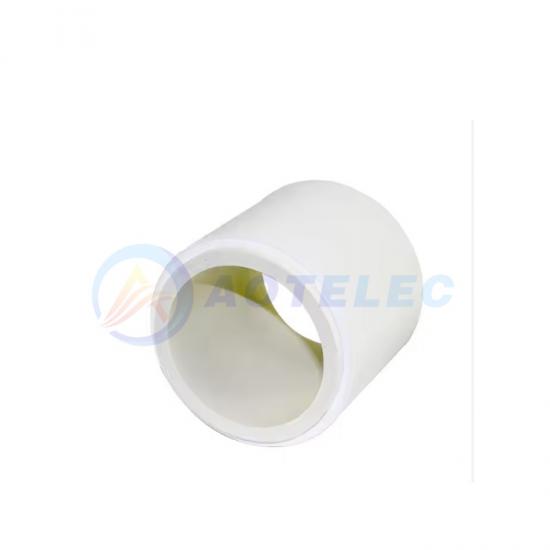
Celdas cilíndricas —los formatos 18650, 21700 y otros más grandes presentes en herramientas eléctricas, computadoras portátiles y vehículos eléctricos— presentan desafíos completamente diferentes. Estas baterías se fabrican enrollando electrodos positivos y negativos con un separador intercalado entre ellos para formar un conjunto de electrodos en "rollo de gelatina", que luego se inserta en una carcasa metálica.
El proceso de enrollado impone requisitos mecánicos estrictos. El separador debe soportar tensión, flexión y compresión sin rasgarse ni perder su estructura porosa. Debe mantener la estabilidad dimensional bajo las fuerzas de compresión del conjunto enrollado mientras conserva rutas uniformes de transporte de iones.
La gestión térmica es fundamental en las celdas cilíndricas. A medida que aumentan los tamaños de las baterías para aplicaciones de vehículos eléctricos, la generación de calor durante la carga rápida se convierte en una preocupación crítica. Los separadores con capacidad de apagado térmico —como los diseños trilaminares PP/PE/PP— proporcionan un mecanismo de seguridad: cuando la temperatura de la celda se aproxima al punto de fusión del polietileno, la capa de PE cierra sus poros, reduciendo drásticamente el flujo de iones y ayudando a limitar la fuga térmica. Este comportamiento de apagado es especialmente importante en celdas cilíndricas de gran formato donde la disipación de calor es más difícil.
El avance hacia diseños cilíndricos sin pestañas ha elevado aún más los requisitos de los separadores, y los separadores de alto rendimiento son "enfatizados urgentemente en la búsqueda de baterías de iones de litio de carga extremadamente rápida".
Celdas tipo bolsa: flexibilidad y arquitectura apilada
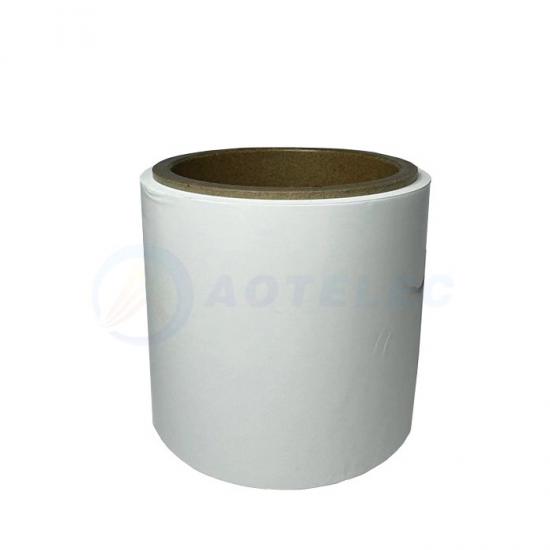
Celdas tipo bolsa —las baterías planas y flexibles presentes en teléfonos inteligentes, tabletas y una proporción creciente de vehículos eléctricos— emplean una arquitectura fundamentalmente diferente. En lugar de enrollarse, las celdas tipo bolsa se fabrican apilando capas de electrodos con separadores intercalados entre ellas, encerradas en una carcasa de lámina laminada sellable mediante calor.
La ausencia de una carcasa metálica rígida proporciona a las celdas tipo bolsa la mayor densidad energética gravimétrica entre los formatos de iones de litio. Sin embargo, esta flexibilidad introduce desafíos únicos para los separadores. El separador debe resistir la deformación y mantener la estabilidad interfacial mientras la bolsa se flexiona y expande durante los ciclos de carga y descarga. Debe adaptarse a la expansión del electrodo sin deslaminarse, un requisito que ha impulsado el desarrollo de separadores multifuncionales con adhesión persistente a los electrodos.
La seguridad térmica es igualmente crítica. Separadores avanzados como los diseños Janus —con un recubrimiento resistente al calor y a las dendritas en un lado— han demostrado un funcionamiento fiable de celdas tipo bolsa en diversas configuraciones, con una estabilidad excepcional del voltaje a temperaturas elevadas de 110 °C. Las baterías tipo bolsa que incorporan separadores compuestos avanzados han mostrado tiempos de ignición retardados de 68 segundos, reduciendo significativamente los riesgos térmicos.
El elemento común
A pesar de sus demandas específicas según el formato, todos los separadores comparten requisitos básicos: aislamiento eléctrico, conducción iónica a través de poros llenos de electrolito, estabilidad química e integridad mecánica. Ya sea perforado en un disco de 19 mm para una celda de botón, enrollado en un rollo de gelatina para una batería cilíndrica o apilado entre capas en una celda tipo bolsa, el separador sigue siendo el guardián silencioso de la batería.
Perspectivas del mercado
La importancia del separador se refleja en el crecimiento del mercado. Se prevé que el mercado mundial de separadores de baterías crezca de 10,13 mil millones de USD en 2025 a 22,97 mil millones de USD para 2031, impulsado por la expansión de los vehículos eléctricos y la construcción de gigafábricas. Los fabricantes compiten para desarrollar separadores más delgados, con mayor estabilidad térmica y resistencia a dendritas, adaptados a cada formato de celda.
A medida que la tecnología de baterías evoluciona hacia mayores densidades energéticas y cargas más rápidas, el papel del separador será cada vez más crítico y complejo en todos los formatos, desde celdas de botón hasta tipo bolsa y cilíndricas.
Preguntas frecuentes
P1: ¿Cuánto tiempo necesitan para preparar mis productos?
R: 3-5 días para materiales de baterías. 5-25 días para equipos (según los diferentes modelos y cantidades).
P2: ¿Podemos imprimir nuestro logotipo o nombre de empresa en los productos o paquetes?
R: Claro. Su logotipo podría imprimirse en sus productos mediante estampado en caliente, impresión, grabado en relieve, recubrimiento UV, serigrafía o adhesivo. Para explorar mejor el mercado y proporcionar servicios más convenientes a clientes globales, invitamos sinceramente a agentes extranjeros a crear juntos un futuro brillante.
P3: ¿Cómo puedo instalar y operar la máquina por mí mismo?
R: La investigación y desarrollo de nuestro sistema se basa en una visión de desarrollo integrado. Cuando reciba la máquina, solo necesita conectarla a la alimentación eléctrica y la máquina podrá funcionar, porque el software en inglés ya está instalado en esta máquina. Lo único que debe hacer es aprender el uso del software, y el manual de usuario completo en inglés llegará con la máquina.
P4: ¿Cómo obtener soporte técnico después de la compra?
R: Nuestra fábrica proporciona soporte técnico en línea en inglés; puede contactarnos fácilmente en línea mediante Skype, Wechat y correo electrónico. Si necesita asistencia remota, le brindaremos soporte a través de Team Viewer.
etiquetas :

tel/Whatsapp: +8619906035385


 IPv6 network supported
Scan to wechat: